
Reignite Your Love for Nursing
Explore the intellectual and developmental disabilities sector.

What is I/DD Nursing?
A specialized field dedicated to supporting individuals who have conditions affecting their cognitive, physical, and developmental functions. Intellectual and developmental disabilities (I/DD) nursing blends clinical expertise, community care, and compassionate attention. Help people of all ages live healthier, more fulfilling lives.
Why Choose a Nursing Career in I/DD?

Fulfilling work: Get back to the core of nursing—helping people—without overwhelming patient loads.
Deeper connections: Build relationships with clients that last for years. Advance the quality of life for people with disabilities.
Work–life balance: Become your own boss and design a schedule that suits you. Rediscover your time and energy through independent contractor career pathways.
There are several paths you can take to become a Nurse in supporting those with I/DD
Option 1: Become a self-employed nurse
- More control over which clients you work for.
- No requirement to work weekends or holidays.
- Independence in developing a therapeutic relationship with the client.
- Greater work-life balance.
- Control over how you operate your own business.
Option 2: Work for a nursing agency or group home
- Trainings and skill development are often provided by the agency.
- There are usually nursing clinical supervisors who are available to mentor and provide feedback.
- Some agencies offer financial incentives to continue your higher education.
- Steady work assignments.
- Benefits may be provided through the agency (e.g., health insurance, paid time off).
Hear from Nurses
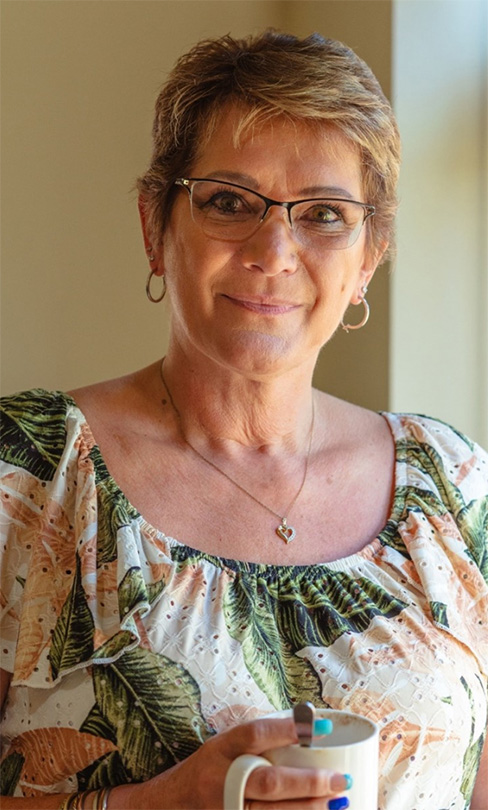
"The absolute best part is after all their problems are solved, at least for a short time, you get to see people at their best."
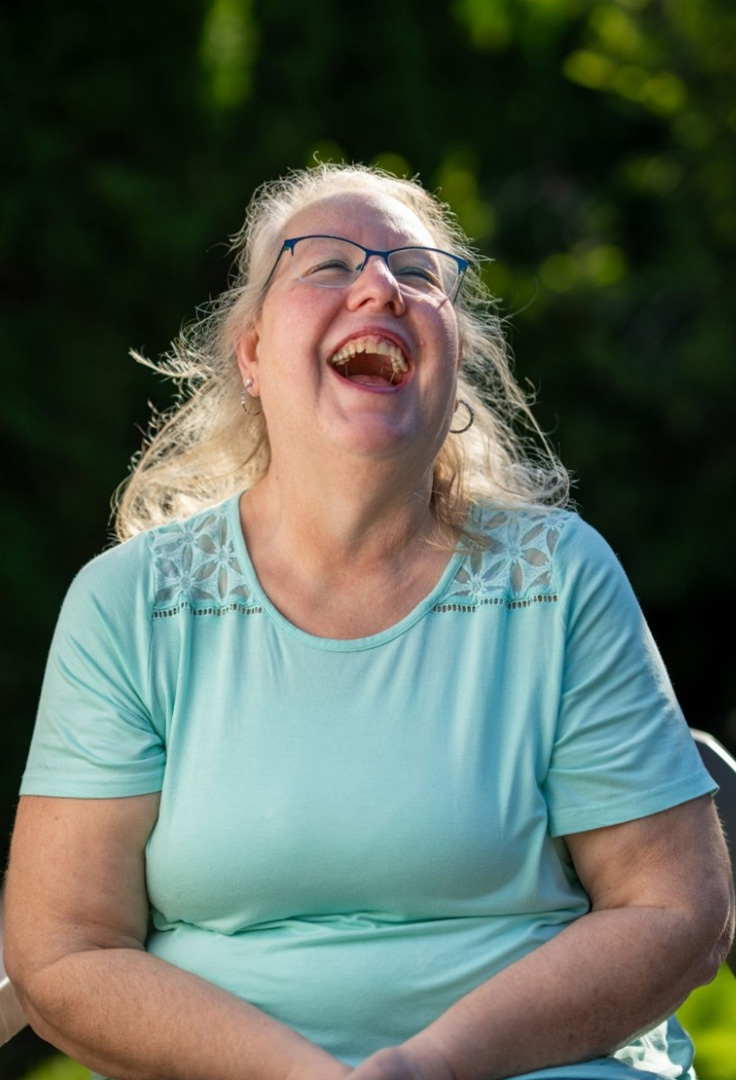
"If you are the kind of nurse who enjoys building relationships and mentoring [...] this may be a great opportunity for you."
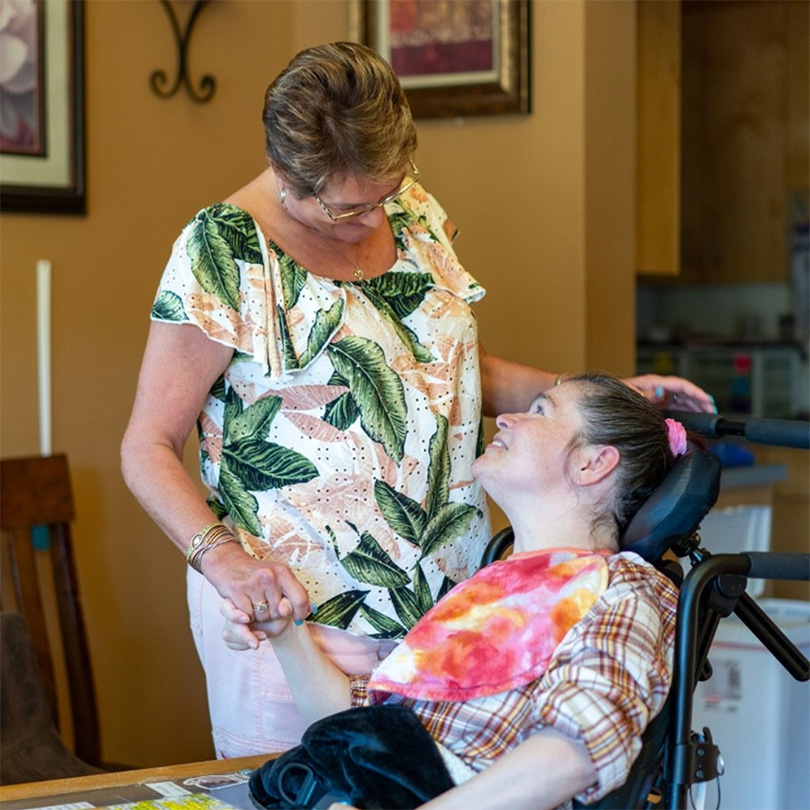
"It’s not demanding like hospital care where you have to be on your feet all the time [...] for a nurse who’s burnt out and still wants to stay in the mix."
General FAQs About I/DD Nursing
Why do nurses enjoy working in the I/DD sector?
Answer: Nurses enjoy working in the I/DD sector because it offers meaningful, client-centered care that fosters deep connections and provides the opportunity to make a tangible impact in the lives of individuals. For some nurses, the sector aligns with their values of social justice and allows them to contribute to solving significant societal challenges. Others are drawn to the independence and flexibility independent contractor career paths offer, freeing them from workplace politics and allowing flexibility. For most, the supportive environment and meaningful client relationships provide a path to enjoying nursing. By working with individuals with I/DD, you can build meaningful connections and feel valued.
Who do I/DD nurses care for?
Answer: I/DD nurses care for children, adults, and seniors that experience intellectual and developmental disabilities that need support to manage complex medical needs.
What kind of tasks do I/DD nurses perform?
Answer: Tasks include administering medications, managing medical equipment, developing care plans, monitoring health outcomes, and providing support for activities of daily living.
What are the main career paths in I/DD nursing?
Answer: Career paths include working as a self-employed nurse or at an agency providing Private Duty Nursing (PDN), Direct Nursing Services (DNS), Long-Term Care Community Nursing (LTCCN), and working for nursing agencies or other residential homes.
What qualities are important for I/DD nurses?
Answer: Key qualities include empathy, strong problem-solving skills, adaptability, attention to detail, and the ability to work independently and collaboratively.
What kind of work settings do I/DD nurses work in?
Answer: I/DD nurses work in various settings such as family homes, group homes, residential facilities, and community-based environments.
How do I/DD nursing roles differ from traditional hospital roles?
Answer: I/DD nursing often involves more personalized, long-term care and may require working in home or community settings rather than structured hospital environments.
Are there educational or certification requirements for I/DD nurses?
Answer: I/DD nurses need a current, valid and unencumbered RN or LPN license and experience working with individuals with disabilities. Specific training may be required for certain roles.
What challenges do I/DD nurses face?
Answer: Challenges include managing complex medical conditions, providing emotional support to patients and families, and navigating non-hospital work environments.
How does working for a nursing agency or group home compare to independent contracting?
Answer: Working for an agency or group home provides more structured schedules and benefits, while independent contracting offers more autonomy and potentially higher earnings but with greater responsibility.
Ready to Make an Impact?

"Being a nurse in the I/DD system allows you to focus on the family and the client, and the client drives the plan of care. As a nurse, I can support them to achieve their short- and long-term goals with my nursing process and abilities."
- Kari Masterson, RN
Resources and Guides
An explanation of how working in the I/DD sector is different from staff nurse positions in other settings.
Read about other nurses’ accomplishments and experience working as independent contractors in the sector.
Nursing is Still for You: You Just Haven't Met Us Yet